
Premium Food and Beverage Distributor in Albania: What to Look For and Why It Matters

What Is a Premium Food and Beverage Distributor in Albania? A premium food and beverage distributor in Albania is a wholesale partner that imports, stores and delivers high-quality branded products (such as pasta, dairy, wine and beer) to retailers, hotels, restaurants and cafés across the country. The best distributors combine a curated brand portfolio, a reliable delivery network, correct storage and strong local market knowledge. D&D Distribution fits this definition. Founded in 1995 and based in Vorë, Tirana, we supply both retail and HoReCa clients with internationally recognised brands, backed by a fleet of 150+ vehicles and a team of 50+ sales agents. Thinking of bringing your brand to Albania? Explore our guide to food distribution and the Albanian market. Good food brings people together, and behind every great menu or well-stocked shelf is a reliable supply partner. Across Albania, hotels, restaurants and retailers are looking for quality products they can trust and brands their customers will love. For international producers, entering a new market can feel complicated. From customs and labelling to storage, temperature controlled transport and local deliveries, there’s plenty to coordinate. The right distribution partner makes that process easier, connecting your products with the right businesses and helping you build lasting relationships. At DD Distribution, we bring international brands closer to the Albanian market, combining local knowledge with a commitment to product quality and reliable service. For international manufacturers, the challenge is just as real. Reaching Albanian buyers means dealing with customs procedures, labelling rules, cold-chain requirements and a fragmented network of small and mid-sized outlets. A premium distributor removes that complexity. For background on current economic and trade data, see the Albanian Institute of Statistics (INSTAT) and the Albanian Investment Development Agency (AIDA). If you are a producer exploring the market, our guide to food distribution and the Albanian market is a good starting point. 5 Qualities of a Premium Food and Beverage Distributor 1. A Curated, High-Quality Brand Portfolio Premium distribution is about selection, not volume. A strong portfolio gives buyers variety without sacrificing quality. Our portfolio includes Divella (Italian pasta and Mediterranean products), Budweiser Budvar (Czech beer), Granarolo (Italian dairy), Corte Buona (premium Italian food), DUKA Wine, SOL(rice & sunflower oil), Provil (flavor concepts), Vanini (Italian chocolate and cocoa) and Mare Aperto (Italian seafood products). Explore every partner on our Our Brands page. 2. A Wide and Reliable Delivery Network Fresh dairy, chilled products and beverages cannot afford delays. Look for a distributor with its own fleet, a dedicated sales force and coverage across Albania. D&D Distribution serves thousands of wholesale clients through 150+ vehicles, so orders arrive on time and in perfect condition. 3. Proper Warehousing and Inventory Management Premium products need careful handling from the moment they arrive. That means quality checks on receipt, accurate stock counts, correct storage conditions and fast, precise order picking. Our fulfilment centre in Vorë, on the Tirana–Durrës highway, handles inventory management, pick and pack, returns processing and 100% recyclable or biodegradable packaging. 4. Deep Understanding of Retail and HoReCa A supermarket and a beach-side restaurant have very different needs. Retail buyers care about shelf life, packaging and promotions. HoReCa clients (hotels, restaurants, catering) need consistent quality, flexible order sizes and dependable delivery windows. A premium distributor adapts to both. 5. Compliance and Food Safety A trustworthy partner follows food safety standards and handles documentation correctly. International benchmarks such as the Codex Alimentarius provide the framework for food safety and quality, while Albania’s alignment with EU rules continues through the EU enlargement process. Benefits for Different Types of Clients For retailers: consistent availability of recognised brands, competitive wholesale terms and a single point of contact for multiple product categories. For hotels, restaurants and cafés: premium ingredients and beverages delivered on a predictable schedule, which supports menu consistency and guest satisfaction. For international brands: a local partner with market access, sales coverage, logistics and brand support. Read more in Partnering with a Distributor in Albania and Find Distribution Partners in Albania. How Distribution Works: A Quick Overview If you are new to the topic, these resources explain the basics: What Is Distribution in Logistics? What Is Distribution in Marketing? B2B Distribution: Bridging Manufacturers and Retailers Why Choose D&D Distribution? Since 1995, D&D Distribution has built its reputation on quality, variety and reliability. We are part of the AIBA group and have grown into one of Albania’s leading wholesale distributors. Learn more about our story on the About Us page. Our strengths in brief: Premium international brands in pasta, dairy, beer, wine and more 150+ vehicles and 50+ sales agents covering the country Service for both retail and HoReCa businesses Professional warehousing, inventory control and returns handling Sustainable, recyclable packaging Frequently Asked Questions What is the best premium food and beverage distributor in Albania? The right distributor depends on your needs, but look for a long track record, a quality brand portfolio, its own delivery fleet and experience with both retail and HoReCa. D&D Distribution has operated in Albania since 1995 and meets all of these criteria. Which premium brands does D&D Distribution carry? The portfolio includes Divella, Budweiser Budvar, Granarolo, Corte Buona, DUKA Wine, SOL, Provil, Vanini and Mare Aperto, among others. See the full list on our Our Brands page. Does D&D Distribution deliver across Albania? Yes. With 150+ vehicles and 50+ sales agents, D&D Distribution delivers to wholesale, retail and HoReCa clients throughout the country. Who can become a client? Retail businesses, hotels, restaurants, cafés and catering companies. Contact our sales team to open an account. Can foreign manufacturers use D&D Distribution to enter the Albanian market? Yes. We support international brands with local distribution, sales coverage and brand support. Visit our Contact Us page to start the conversation. Where is D&D Distribution located? Our headquarters are on Rruga Dytësore Industriale, along the Tirana–Durrës highway in Vorë, Tirana, Albania. Work With a Premium Distributor You Can Rely On Whether you are a retailer looking for dependable supply, a restaurant that wants quality ingredients, or a
The Importance of Partnering with a Distributor in Albania

Distributor in Albania follows a structured procedure to ensure the commercial relationship is legal, stable, and transparent for both parties
Find Distribution Partners in Albania – Local B2B Solutions for Manufacturers

Distribution partners in Albania are local B2B companies that import, warehouse, and deliver a manufacturer’s products to retailers and HoReCa clients, so the brand reaches the shelf without building its own network. A manufacturer rarely fails in Albania because the product is wrong. It fails because the product never reaches the shelf, the restaurant, or the hotel kitchen where it was meant to be sold. Between a factory in Italy, the Czech Republic, or anywhere else in Europe, and a buyer standing in a Tirana supermarket aisle, there is a long chain of decisions: customs clearance, warehousing, route planning, language, payment terms, and relationships with retailers who already trust someone else’s brand on their shelves. This is the gap a distribution partner is built to close, and it is the reason so many international producers searching for B2B distribution in Albania eventually land on the same conclusion: the market rewards local knowledge far more than it rewards a good catalogue. Why Albania Has Become a Market Worth Entering Albania’s retail and hospitality sectors have grown steadily over the past decade, driven by tourism, a young consumer base with rising purchasing power, and a HoReCa industry that expands every summer along the coastline and in Tirana’s restaurant scene. For manufacturers of food, beverage, and consumer goods, this creates genuine demand for quality imported products, particularly from Italy, Central Europe, and the broader Mediterranean. The opportunity is real, but it is also concentrated in a market that is smaller and more relationship-driven than Western Europe, where a handful of established wholesalers control access to thousands of retail points and HoReCa accounts. Knowing this dynamic changes how a manufacturer should approach market entry: the question is not whether Albanian consumers want the product, but who already has the trucks, the sales agents, and the retailer relationships to put it in front of them. The Real Obstacle Isn’t Production, It’s Distribution Most manufacturers underestimate how much of their margin and momentum depends on logistics they cannot see from abroad. Shipping a container to the port of Durrës is the easy part. What follows is harder to replicate without local infrastructure: clearing goods efficiently, storing them under proper conditions, and then moving them out to retailers and HoReCa clients scattered across a country with uneven road quality and a retail landscape that still runs heavily on personal relationships rather than centralized procurement. A manufacturer trying to build this network from scratch typically spends years and significant capital before reaching the kind of shelf coverage that an established distributor already has on day one. This is precisely why working with an existing distribution partner in Albania, rather than attempting direct entry, has become the standard route for brands serious about the market. Choosing among distribution partners in Albania is therefore a margin decision as much as a logistics one. What to Look for in Distribution Partners in Albania Not every company calling itself a distributor offers the same value. The difference between a partner who moves a few pallets occasionally and one who can genuinely grow a brand comes down to a handful of concrete capabilities. A real distribution partner needs warehousing that meets the storage requirements of the product category, whether that means ambient, chilled, or controlled environments for food and beverage lines. It needs a fleet large enough to guarantee consistent delivery schedules rather than ad hoc trips, and a sales force that physically visits retail and HoReCa clients on a regular cycle, because in Albania, shelf space is still won through face-to-face relationships more than through digital ordering platforms. Equally important is portfolio experience: a distributor who already represents international food and beverage brands understands import documentation, labelling requirements, and the pricing structure that Albanian retailers expect, which removes friction that would otherwise slow down a new brand’s launch by months. The same checklist applies to any of the distribution partners in Albania you shortlist. D&D Distribution: Three Decades of B2B Reach Across Albania D&D Distribution, has built exactly this kind of infrastructure since 1995, when it began under the umbrella of its parent company AIBA. What started as a single distribution operation has grown into one of Albania’s established wholesale networks, now running a fleet of more than 150 vehicles supported by over 50 sales agents who call on more than 5,000 wholesale clients across the country. That scale matters less as a number and more as proof of reach: it means a new brand entering through D&D Distribution does not have to build relationships one retailer at a time, but instead taps into a network that already calls on thousands of points of sale every week. For manufacturers comparing distribution partners in Albania, that track record is the most reliable signal available. The company’s current portfolio reflects the kind of brands that succeed through this model. Divella brings authentic Italian pasta and Mediterranean products to Albanian shelves, Budweiser Budvar carries the weight of Czech brewing heritage into the beverage category, and Granarolo represents one of Italy’s most recognised dairy names. Alongside them sit Corte Buona, DUKA Wine, SOL, and other selectively chosen labels, each added not to fill a catalogue but because they fit the quality positioning D&D Distribution has maintained since its founding. For a manufacturer evaluating whether a distributor is the right fit, this kind of curated brand list, built over thirty years rather than assembled overnight, is often the clearest signal of how seriously a partner will represent a new product. How the Partnership Actually Works, From First Contact to the Shelf The process a manufacturer goes through with an Albanian distribution partner tends to follow a logical sequence, even though the timeline varies by product category and import complexity. It begins with an initial conversation about the product, its positioning, and the retail or HoReCa channel it is best suited for, since a premium dairy line and a mainstream beverage brand will enter the market through very different routes. From there, the distributor handles import logistics and customs clearance, receives the stock into its warehouse, and runs quality checks before the product ever reaches a delivery vehicle. The sales team then introduces the brand into its existing call cycle, placing it in front of retailers and HoReCa buyers who already have an established purchasing relationship with the distributor, which
What is Distribution in Logistics?

A Complete Guide for Businesses Distribution in logistics is the process of moving finished goods from a manufacturer to the end customer through storage, transport, and delivery channels. The journey of a product from a manufacturing floor to a customer’s hands is paved with complex, interconnected processes, but none are more critical than logistics distribution. Whether you operate as a large-scale manufacturer, a bustling retail outlet, or a demanding HoReCa business, the underlying efficiency of your distribution network will directly influence your overall profitability, customer satisfaction levels, and your ability to maintain a competitive advantage in a crowded market. This comprehensive guide aims to thoroughly answer a fundamental industry question: what exactly is distribution in logistics? We will delve into its core components, explore the various strategic models available, and demonstrate how partnering with a reliable, established distributor such as D&D Distribution in Albania can completely transform and elevate your supply chain operations. The Full Definition of Logistics Distribution At its core, distribution in logistics refers to the highly systematic and strategic process of moving physical goods from their initial point of production or storage directly to the end consumer or corporate client. It functions as a critical, highly specialized subset of broader supply chain management, effectively bridging the inevitable gap between where items are produced and where they are ultimately consumed. While logistics is the overarching discipline of planning and managing the entire flow of goods, information, and resources, distribution represents the specific, downstream, customer-facing function focused purely on physical delivery. According to insights from the Council of Supply Chain Management Professionals (CSCMP), this logistical distribution phase accounts for approximately 10% to 15% of a product’s total cost, establishing it as one of the most significant and consequential operational expenses for businesses operating worldwide. The process itself is multifaceted, covering everything from the initial receiving and warehousing of goods from suppliers, to rigorous inventory management and stock control. It also seamlessly integrates order picking and fulfillment, complex transportation routing, dedicated customer service, and the meticulous processing of reverse logistics and returns. Exploring the Main Types of Distribution Models Businesses can adopt several distinct distribution models, each offering unique strategic advantages depending on the specific product type, the target market dynamics, and the established customer base. Direct distribution, for instance, occurs when a manufacturer sells and delivers products completely independent of intermediaries, a model that has become highly prevalent in modern e-commerce and direct-to-consumer (D2C) ecosystems. While this approach yields higher profit margins, faster feedback loops, and fosters a direct relationship with the buyer, it also imposes high internal logistics costs and requires substantial proprietary delivery infrastructure. Choosing the right model is the first strategic decision in distribution in logistics. Conversely, indirect distribution relies on one or more intermediaries, such as retail networks or specialized wholesalers, to bridge the gap between the creator and the consumer. This remains the dominant and most practical model within the fast-moving consumer goods (FMCG) sector, offering massive market reach while lowering the operational burden on the original manufacturers, albeit at the cost of slightly reduced margins and less control over the final customer experience. Within this indirect framework, wholesale distribution plays a pivotal role. Wholesale distributors purchase enormous quantities of goods directly from manufacturers, subsequently reselling and distributing them to local retailers or HoReCa establishments. Industry leaders like D&D Distribution exemplify this model, utilizing their vast economies of scale, specialized logistics infrastructure, and established client networks to make global products seamlessly accessible to regional markets. Finally, the third-party logistics (3PL) model allows brands to outsource warehousing, fulfillment, and transportation entirely to specialized providers, a sector that was valued at over $1.3 trillion globally in 2024. The Core Components Driving Distribution Operations Building a high-performing distribution network requires mastering several deeply interconnected operational components. It begins with advanced warehousing, which provides the necessary physical infrastructure and climate-controlled environments to safely store inventory before dispatch, ultimately reducing lead times and allowing businesses to respond nimbly to fluctuating market demands. This is closely tied to precision inventory management, a practice that utilizes demand forecasting and just-in-time (JIT) principles to ensure the exact right quantity of stock is always available, thereby preventing both capital-draining overstock and frustrating stockouts. Each of these components has to work together for distribution in logistics to stay fast and affordable. Once an order is placed, the labor-intensive process of order fulfillment takes over, encompassing the picking, packing, and dispatch operations that directly dictate delivery speed and accuracy for high-volume corporate clients. Following fulfillment, transportation and delivery mechanics represent the most substantial financial investment, often accounting for 50% to 65% of total logistics expenditures according to McKinsey. A reliable fleet and highly optimized routing are absolutely mandatory here to control these massive costs and ensure timely arrivals. The most complex and costly phase of this transportation journey is last-mile delivery, representing the final transit from a local distribution hub to the consumer’s location. This stage alone can consume up to 53% of total shipping budgets, making its optimization a top priority for distributors serving dense urban environments. Finally, modern operations must also account for reverse logistics, creating an efficient returns process that not only protects the brand’s reputation but actively inspects and reintegrates sellable stock back into the active inventory pool. This last mile is where distribution in logistics most visibly affects the customer experience. Strategic Importance and the Albanian Market Context Treating distribution merely as a back-office necessity is a fundamental mistake; it is a profound strategic differentiator. Exceptional distribution capabilities directly foster customer satisfaction, which is critical considering that 84% of consumers will abandon a brand entirely following a single poor delivery experience. Furthermore, an optimized network drastically reduces excess waste and transportation costs, expanding profit margins while empowering businesses to penetrate new geographic markets without having to build costly local infrastructure from scratch. This operational consistency ultimately reinforces brand integrity, a factor of paramount importance in the premium food and beverage sectors where the physical condition of a product upon arrival is non-negotiable. Looking specifically at the Albanian logistics landscape, the market has experienced remarkable modernization driven by growing consumer demand, foreign investment, and vital improvements to the Trans-European Transport Network (TEN-T). This has created a vibrant environment characterized by a growing modern retail sector and an expanding HoReCa industry fueled by domestic tourism, leading to a surging demand for premium imported food and beverage products. Navigating this fragmented distribution landscape
Food Distribution: The Strategic Guide to Navigating the Albanian Market
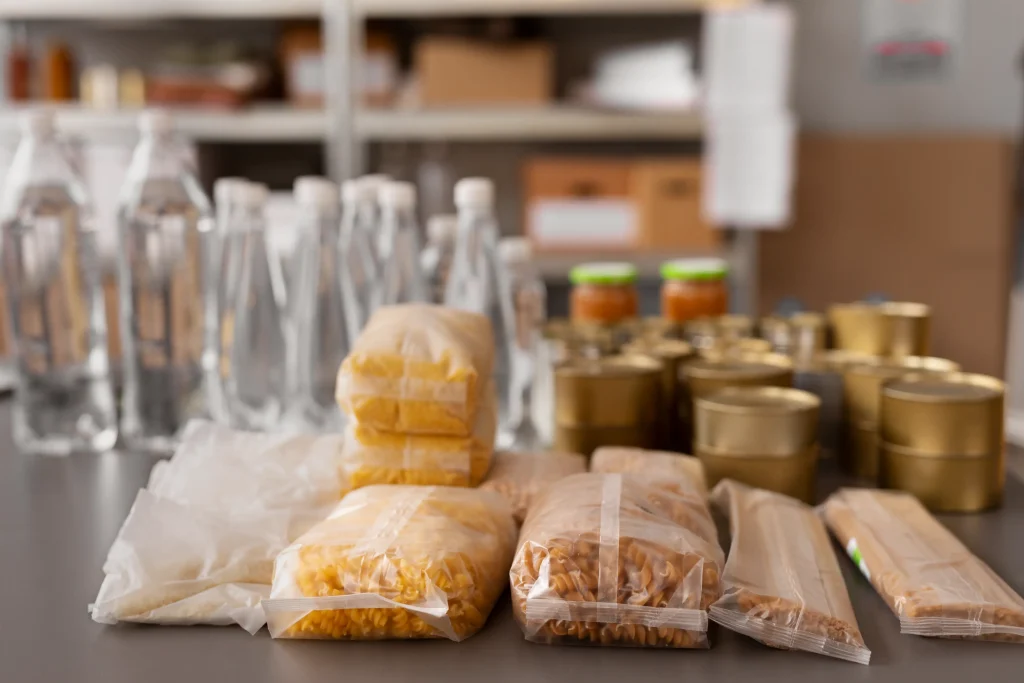
Food distribution is the process of moving food products from producers to retailers, restaurants, and hotels through storage, transport, and delivery. In the fast-paced food and beverage industry, creating a high-quality product is only half the battle. The real challenge lies in ensuring it reaches the consumer’s plate efficiently, safely, and at the peak of freshness. We serve as the vital link in the supply chain, transforming logistics into a competitive advantage. What Is Food Distribution? Generally speaking, food distribution is made up of a range of businesses, groups, and initiatives that gather food from producers, store it in warehouses, and then deliver it to manufacturers, supermarkets, eateries, cafeterias, government assistance programs, and more. Food service distribution is a part of the broader food distribution network. Food service operators, including grocery shops, chefs, food and beverage managers, hospitals, cafeterias, restaurants, nursing homes, and more, can more easily receive food from producers, processors, and manufacturers thanks to the food service distribution process. Food wholesalers frequently buy straight from manufacturers and sell directly to food service providers. Products that aid with food intake, like plates and cups, may also be distributed. Key Types of Food Distributors Understanding which model fits your business is essential for a successful partnership: Distributor Type Description Primary Benefit Broadline Distributors Handle massive volumes across thousands of diverse product categories. High efficiency and economies of scale. Specialist Distributors Focus on specific niches (e.g., premium seafood, organic produce, or artisanal wines). Expert handling and deep product knowledge. Local Distributors Operate within specific geographic regions or cities in Albania. Agility, local market insights, and strong relationships. How Food Distribution Works Step by Step Food distribution works as a chain of coordinated steps. Producers hand over their goods to a distributor, who checks quality and documentation, stores products under the right temperature and hygiene conditions, and consolidates orders from retailers and HoReCa clients. Delivery routes are then planned so that perishable products arrive fresh and on schedule. Throughout the process, traceability and compliance with food safety rules protect both the producer’s brand and the final consumer. In Albania, working with an experienced local partner also simplifies customs, fiscal documentation, and relationships with buyers, which makes food distribution faster and more predictable for international brands. Why a Robust Food Distribution Strategy Matters In a growing market like Albania, partnering with a professional network via D&D Distribution provides four critical advantages: Overcoming Regional Challenges in Food Distribution Distributing food in Albania requires navigating unique local factors. We focus on solving these three major pain points: Our Vision at D&D Distribution: To empower food producers by providing a seamless, transparent, and high-standard gateway to the Albanian consumer. Food Distribution FAQ
B2B Distribution: Bridging Manufacturers & Retailers

We are going to walk through business-to-business distribution, what it is, why it matters, and how to build a strategy that doesn’t fall apart under pressure. B2B distribution is what keeps products moving from factories to businesses around the world. You’ve got delivery deadlines breathing down your neck, markets that won’t sit still, and costs that seem to multiply when you’re not looking. But here’s the thing: understand the basics first, and suddenly the complicated parts start making sense. B2B distribution is how products get to companies across different sectors without everything turning into chaos. Distribution companies are the reason commerce flows instead of crawls, and why markets can actually keep up with demand. B2B vs B2C: Here’s the Real Difference B2B moves products between businesses. B2C goes straight to the person using it. That’s the short version, but there’s more to it. Not everyone who buys from you is actually consuming what you sell. Let’s say you run a business and stock up from a wholesaler yeah, you’re their customer. But if you’re turning around and selling those same products, you’re not the consumer. Somebody else is. You can read more about the business-to-business model and how distribution in logistics supports it, or see why partnering with a distributor in Albania pays off. Think of it this way: consumers are always customers, but customers aren’t always consumers. So Is B2B Just Wholesale With a Different Name? Nope. People get these confused constantly, but they’re different things. B2B distributors handle all kinds of orders, including small ones that wouldn’t get wholesale pricing. Here are two situations: Regular B2B Order: A mechanic’s working on a car and realizes the brake rotors are shot. He calls the local parts store, places an order. An hour later, someone’s pulling up with those rotors in a van. One business bought a small amount from another business. Not wholesale just B2B. Those rotors went almost straight to the car owner who needed them. Wholesale Order: Same parts store, but now they’re running low on inventory. They order 100 rotors from their wholesale supplier and get a fat discount for buying bulk. When they sell those rotors later, they’ll mark them up to make their profit. Big quantity purchase at a discount, specifically for resale. When stock gets low again, they repeat the whole thing. Both are B2B since businesses are involved on both sides. But only that second one counts as wholesale. Here’s what separates them: How Much: Wholesale means big quantities that sit in storage until they’re sold off individually. What It Costs: Small orders cost more per piece because the seller still needs to cover expenses and turn a profit. How It Ships: Couple of brake rotors? Throw them in a van. A hundred rotors? You’re looking at pallets and a semi truck. Put it this way: wholesale is always B2B, but B2B covers way more than just wholesale. They’re both crucial, just in different situations. Why B2B Channels Actually Work When buyers and distributors get into B2B channels, everyone wins something. Deliveries get smoother. Revenue becomes predictable. Day-to-day operations stop feeling like controlled chaos. Companies can focus on customers and marketing instead of constantly putting out logistics fires. What You Gain From B2B Channels There’s real opportunity here to make shipping, storage, and logistics work better than they probably do right now. Check out what B2B distribution channels do for businesses: Fewer Shipping Headaches: Good B2B channels have systems already running. Networks are established. When something goes sideways, you’re not starting from scratch to fix it. Custom Fits: Your business isn’t like every other business. Maybe you need small deliveries multiple times a day. Maybe you need massive stock orders once a month. B2B channels bend to fit what you actually need. Money Stays in Your Pocket: Distributors combine shipments and find faster routes. That efficiency translates directly into lower costs for you. B2B channels create a complete loop from manufacturing straight through to the final sale. Pricing changes at each step depending on volume. Buy more, pay less per unit. It’s that straightforward. Margins work the same way they grow as products get closer to consumers. Say you’re making office chairs. Production cost is $30 per chair. Here’s how pricing moves through the chain: Source Quantity Sold Margin Price Per Unit Manufacturer 100 to wholesaler 20% $37.50 Wholesaler 20 to retailer 25% $50.00 Retailer One to customer 45% $90.91 Those margins? Calculated from what the buyer pays, not what it originally cost to manufacture. Each step needs shipping figured out. Skip that and you’re dead in the water. How you approach B2B distribution depends on your business specifically, but some fundamentals apply everywhere. How to Build a Distribution Strategy That Holds Up Selling to other businesses? Distribution strategy comes first. Without it, you’re basically hoping things work out. Here’s what you need to nail down: Get Logistics Sorted: How are products reaching customers? Do you have warehouses and trucks already, or are you bringing in a third-party logistics provider? Make Efficiency Count: Shipping costs money, no way around that. But proper scheduling and smart routing can cut those costs way down. Choose Your Channels: How are you reaching business customers? Selling direct? Using wholesalers? Mix of both? Make Everything Connect: Distribution strategy can’t exist in a vacuum. It needs to work with marketing, with sales, with everything else you’re doing. Prepare for Disasters: What breaks your distribution model? Supply chain problems? Sudden demand changes? Delivery failures? Figure out the risks now and have backup plans ready. Stay Open to Feedback: Create real ways for customers and partners to tell you what’s working and what isn’t. That feedback is how you improve. Shipping between businesses gets messy fast. Building something that scales takes resources and expertise most companies just don’t have. Product Distribution Strategy Handles B2B Distribution Building a B2B distribution network from nothing is brutal. Especially rough for smaller businesses trying to grow. Product Distribution Strategy has what most companies don’t: actual infrastructure and years of experience doing this. Your B2B shipping needs? We’ve handled bigger. Here’s what we do: Retailer, wholesaler, manufacturer doesn’t matter. B2B distribution makes or breaks you. Our team has seen it all and knows how to keep things moving. Call us at +3554 4540566 or get in touch online. We’ll handle logistics while you focus on actually running your business. B2B Distribution FAQ
What Is Distribution in Marketing?

Distribution in marketing is the process of making products or services available to the customers who need them, through various channels such as wholesalers, retailers, online platforms, and direct sales. It’s one of the four Ps of marketing : Product, Price, Place, and Promotion with place referring specifically to how a business moves a product from manufacturer to end consumer. Effective distribution ensures that customers can access products conveniently, whether they shop online or in physical stores. It bridges the gap between production and consumption, shaping customer satisfaction, cost efficiency, and brand growth. Understanding Distribution in Marketing In simple terms, distribution involves all the actions a business takes to deliver its goods from the manufacturing stage to the end-user. This may include logistics, warehousing, packaging, and inventory management. A distributor acts as an intermediary who connects producers with resellers or directly with consumers, depending on the business model. That is the core idea of distribution in marketing: the right product, in the right place, at the right time. On the Albanian market, companies such as D&D Distribution operate as specialized distributors, ensuring quality products reach retailers quickly, cost-effectively, and with local market expertise. The Role of Distribution in Marketing Mix Decisions Distribution plays a vital role in the marketing mix because it directly influences how easily consumers can find and buy a product. A well-planned distribution strategy can: Without effective distribution, even the best marketing campaigns can fail if customers cannot find the product when they want it. This is why distribution in marketing deserves the same attention as pricing, promotion, and product design. Types of Distribution Channels in Marketing Distribution channels refer to the paths products take to reach end consumers. There are generally three main types : Choosing among these channels is one of the key decisions in distribution in marketing. For instance, Coca-Cola reaches customers not through direct sales, but by partnering with grocery stores, vending machines, and restaurants. Examples like this show how distribution in marketing can become a lasting competitive advantage. Choosing the Right Distribution Strategy Selecting the right distribution strategy depends on several factors including product type, customer behavior, and cost structure. An effective strategy should align with the company’s goals and resources. Some common models include : Benefits of Effective Distribution Strong distribution brings tangible benefits to both producers and customers. Key advantages include : In Albania, where local logistics and delivery infrastructure are evolving, these benefits make a crucial difference for retailers and suppliers alike. Technology and Distribution Modern distribution increasingly relies on data and technology. Real-time tracking systems, automated inventory tools, and AI-driven analytics enable companies to forecast demand, manage stock, and deliver faster. Similarly, local distributors integrating digital platforms from e-commerce inventory syncing to online B2B order forms, gain competitive advantages through greater visibility and control. Distribution vs. Marketing: The Fundamental Difference While marketing and distribution often overlap, they serve distinct purposes within a business : Aspect Marketing Distribution Focus Creates awareness and demand Ensures product availability Objective Persuade customers to buy Deliver products efficiently Activities Advertising, promotion, branding Logistics, warehousing, channel management Outcome Drives sales interest Fulfills sales and delivery Distribution as a Competitive Advantage Effective distribution is more than logistics it’s a strategic pillar of market success. Businesses that invest in better channels, integrated technology, and customer-focused delivery continuously outperform competitors. Whether a company is a global enterprise or a local Albanian distributor, the ability to make products available at the right place, at the right time, and in the right condition defines its market strength. For companies seeking expert distribution partnerships, D&D Distribution offers tailored solutions connecting producers with retailers and consumers across Albania efficiently and reliably. Distribution in Marketing FAQ